What are the best career options for recent graduates in 2025?
Choosing a career after graduation can be overwhelming, especially with evolving industries and competitive job markets. Recent graduates are increasingly exploring fields with strong growth prospects, high salaries, and long-term stability. Careers in data science, artificial intelligence, cybersecurity, renewable energy, and digital marketing are among the most sought-after.
Graduates should also consider tech-related roles even if their degree is not technical. Many companies are hiring based on skills, certifications, and practical experience rather than just academic credentials. Additionally, remote work opportunities have expanded possibilities across global organizations, enabling graduates to access jobs in multiple countries.
To maximize employability, students should engage in internships, online courses, bootcamps, and certifications relevant to their chosen field. Networking, both online and in-person, is critical to securing early career roles. By understanding industry trends, leveraging in-demand skills, and staying adaptable, recent graduates can select a career path that not only offers financial stability but also growth potential for the next decade.
Which skills are most in-demand for professionals in 2025?
The modern workforce demands a combination of technical expertise, digital proficiency, and soft skills. High-demand skills include data analytics, cloud computing, artificial intelligence, cybersecurity, and software development. Professionals with strong communication, leadership, and problem-solving abilities are highly sought after in Tier 1 job markets.
Continuous learning is critical to remain competitive. Enrolling in certification programs, online courses, and workshops can help professionals stay updated with evolving industry standards. Skills in emerging technologies such as blockchain, machine learning, and automation also provide an edge in securing high-paying roles.
Employers increasingly value candidates who can combine technical knowledge with strategic thinking. Professionals should prioritize building portfolios showcasing practical projects and achievements. This approach improves visibility to recruiters and increases opportunities for promotions or transitions into higher-level roles. By mastering these in-demand skills, individuals can position themselves for long-term career success in competitive markets.
How can I choose the right university or college program for my career?
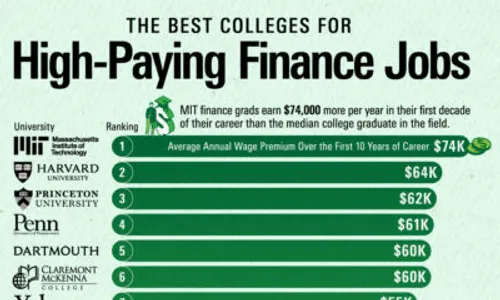
Selecting the right university or degree program is crucial for future career success. Students should consider factors such as program reputation, industry connections, curriculum relevance, and graduate employability. Programs that offer practical experience, internships, and co-op placements are particularly valuable in bridging the gap between academics and professional work.
Researching industry trends is essential. Degrees aligned with growing sectors like technology, healthcare, finance, and renewable energy often provide better job prospects. Additionally, prospective students should evaluate cost, scholarships, global recognition, and flexibility in course offerings.
Networking opportunities, mentorship programs, and access to career services should also influence the decision. Choosing a program that combines high-quality education, skill development, and strong employer connections significantly enhances the likelihood of securing well-paying and fulfilling jobs after graduation.
How do I transition from a non-technical background to a tech career?
Transitioning into a tech career from a non-technical background is increasingly common. Many professionals are entering fields like data analytics, software development, UX/UI design, and cybersecurity by acquiring relevant skills through online courses, bootcamps, and certifications.
Building a strong portfolio is essential. Practical projects demonstrate competence and readiness to potential employers. Networking in tech communities, attending virtual conferences, and contributing to open-source projects also increase visibility and opportunities.
Employers often prioritize problem-solving abilities, adaptability, and continuous learning over formal degrees. By strategically developing in-demand technical skills and showcasing real-world applications, professionals can successfully pivot into technology roles while enhancing their career growth and earning potential.
What are the highest-paying jobs for entry-level positions?
Entry-level positions with strong salaries are highly searched by recent graduates and career switchers. Roles in software engineering, financial analysis, data science, cybersecurity, and digital marketing consistently rank among the best-paying positions for beginners.
Salary growth often correlates with skills, certifications, and industry demand. For example, professionals with coding, cloud computing, or data analytics expertise command higher starting salaries. Internships and hands-on experience during college can further increase employability and compensation.
Entry-level job seekers should also consider emerging sectors such as renewable energy, AI, and fintech, where demand is high and opportunities for growth are abundant. Strategic skill development and informed job search approaches ensure entry-level roles provide both financial stability and long-term career potential.
How can I improve my employability while still in college?
Students can improve employability through internships, volunteer work, part-time jobs, and online courses. Developing technical and soft skills, such as communication, teamwork, and leadership, makes students stand out to recruiters.
Building a professional portfolio, LinkedIn profile, and networking online helps students connect with industry professionals. Participating in competitions, hackathons, and workshops demonstrates initiative and practical ability.
Employers increasingly value candidates who combine academic performance with hands-on experience. By actively gaining experience during college, students can secure higher-paying roles and smoother transitions into competitive industries after graduation.
| Question | Answer Summary |
|---|
| What are the best career options for recent graduates in 2025? | In-demand fields include data science, AI, cybersecurity, renewable energy, and digital marketing. Certifications, remote jobs, and internships improve employability. | best careers for graduates 2025, high-paying jobs, remote job opportunities, career growth industries |
| Which skills are most in-demand for professionals in 2025? | Data analytics, cloud computing, AI, cybersecurity, and software development lead demand. Soft skills like leadership and problem-solving remain critical. | in-demand skills 2025, top tech skills, best certifications for jobs, future career skills |
| How can I choose the right university or college program for my career? | Focus on program reputation, internships, curriculum relevance, and global recognition. Tech, healthcare, and renewable energy degrees offer strong job prospects. | best universities 2025, top degree programs, career-focused education, study abroad options |
| How do I transition from a non-technical background to a tech career? | Use online courses, bootcamps, and certifications in fields like UX/UI, coding, and cybersecurity. Build a portfolio and network in tech communities. | career change to tech, tech bootcamps 2025, non-technical to IT jobs, best online coding courses |
| What are the highest-paying jobs for entry-level positions? | Roles in software engineering, finance, data science, and cybersecurity offer top salaries. Emerging industries like AI and fintech add opportunities. | entry-level high-paying jobs, best jobs for graduates, starting salary careers, top tech jobs 2025 |
| How can I improve my employability while still in college? | Gain internships, part-time jobs, volunteer work, and certifications. Build a LinkedIn profile, portfolio, and join hackathons. | improve employability, student internships, career skills for students, jobs after college |
| What are the advantages of pursuing a master’s degree or advanced education? | Advanced degrees like MBA, data science, cybersecurity, and healthcare open management roles, global jobs, and higher salaries. | master’s degree benefits, MBA programs 2025, advanced education careers, top postgraduate programs |
| How do I choose between multiple job offers? | Compare salary, growth, company culture, and benefits. Long-term career alignment is more important than immediate pay. Seek mentorship advice. | choosing job offers, job comparison tips, best career decisions, salary vs growth jobs |
| What are the challenges of remote work and how can I overcome them? | Issues include time management, distractions, and isolation. Solutions: structured schedules, collaboration tools, and networking online. | remote work challenges, hybrid jobs 2025, work from home productivity, digital collaboration tools |
| How can I effectively network in a digital-first professional environment? | Use LinkedIn, webinars, online communities, and personal branding to build global connections and attract career opportunities. | digital networking tips, LinkedIn networking, online career growth, personal branding strategies |
What are the advantages of pursuing a master’s degree or advanced education?
A master’s degree can significantly enhance career prospects, earning potential, and expertise. Popular fields include MBA, data science, cybersecurity, healthcare administration, and digital marketing.
Advanced education equips professionals with specialized skills, strategic thinking, and leadership capabilities. It often opens doors to management positions and global opportunities. Additionally, degrees from top-ranked universities enhance credibility and networking potential.
Candidates should assess return on investment, program quality, and industry relevance. Strategic selection of advanced degrees ensures graduates gain maximum benefit, combining academic achievement with practical career growth opportunities.
How do I choose between multiple job offers?
Evaluating multiple job offers requires assessing salary, benefits, work-life balance, growth opportunities, and company culture. Creating a pros and cons list helps in making informed decisions.
Beyond financial compensation, factors like career development programs, mentorship, remote work options, and industry stability play crucial roles. Choosing a role that aligns with long-term goals ensures career satisfaction and sustainable growth.
Consulting mentors, peers, or career advisors can also provide guidance in selecting the best opportunity while considering personal priorities and professional aspirations.
What are the challenges of remote work and how can I overcome them?
Remote work offers flexibility but comes with challenges such as time management, communication gaps, isolation, and distractions. Solutions include setting structured schedules, using digital collaboration tools, and creating a dedicated workspace.
Staying connected through virtual meetings, online communities, and networking platforms helps maintain professional relationships. Developing self-discipline and productivity habits ensures efficiency while working from home.
Employers increasingly expect employees to adapt to hybrid and remote environments. Professionals who master remote work strategies can enhance career opportunities and maintain work-life balance.
How can I effectively network in a digital-first professional environment?
Digital networking is vital for career advancement. Platforms like LinkedIn, online professional communities, virtual events, and webinars allow professionals to build meaningful connections.
Sharing insights, participating in discussions, and engaging with industry experts enhances visibility. Personal branding through content creation and portfolio showcasing increases credibility.
Networking digitally also allows for global connections, mentorship opportunities, and access to job openings not advertised publicly. Professionals who actively engage online strengthen their career prospects and remain competitive in evolving markets.