
Loan Guide for 2024: Find the Best Options for Personal, Auto, Home & Student Debt
Navigating the world of loans? Our complete 2024 guide compares the best options for personal loans, mortgages, auto loans, student debt help, and credit cards. Learn how to find low APR, get instant approval, refinance, and save thousands.Lorem ipsum dolor sit amet, consectetur adipiscing elit. Ut elit tellus, luctus nec ullamcorper mattis, pulvinar dapibus leo.
Loan Guide for 2025: Smart Borrowing for Every Goal
Let’s face it: loans can be confusing. Whether you’re consolidating debt, buying a car, financing a home, or paying for education, the sheer number of options is overwhelming. And the wrong choice can cost you thousands of dollars in unnecessary interest.
This guide cuts through the noise. We’ve broken down the five major loan categories to help you find the best rates, understand the fine print, and borrow with confidence. Think of this as your one-stop shop for making smart financial decisions in 2024.
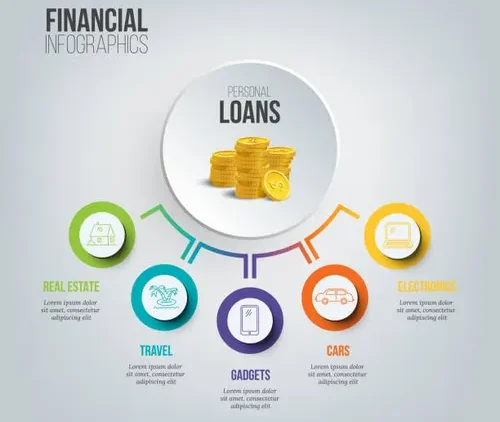
1. Personal Loans: Flexibility for Almost Any Need
Personal loans provide a lump sum of cash that you repay in fixed monthly installments. They’re typically unsecured, meaning no collateral is required, so your credit score is king.
What They’re Best For:
Debt consolidation (the #1 use)
Financing a large purchase
Home improvement projects
Covering unexpected emergency costs
What to Look For:
Low APR: This is your total cost of borrowing. Compare Annual Percentage Rates, not just interest rates.
No Origination Fees: Some lenders charge a fee (e.g., 1-8%) just to give you the loan, which is deducted from the amount you receive.
Instant Approval & Funding: Many online lenders offer a decision in minutes and funding as fast as the next business day.
Our Top Picks & Trends for 2025:
For Excellent Credit: SoFi and LightStream often offer the most competitive rates for well-qualified borrowers.
For Good to Fair Credit: Upstart and Discover are known for using alternative data to approve applicants with less-than-perfect credit.
Watch Out For: Prepayment penalties. The best lenders allow you to pay off your loan early without a fee.

Credit Cards: Strategic Spending & Debt Tools
Credit cards are essentially reusable personal lines of credit. Choosing the right one can save you money or help you earn valuable rewards.
Key Types & Their Best Uses:
0% Balance Transfer Cards: Your #1 weapon against high-interest credit card debt.
How they work: Transfer existing debt to a new card with a 0% intro APR period (often 15-21 months).
The catch: There’s usually a 3-5% balance transfer fee.
Top Pick: Wells Fargo Reflect® Card (Longest intro period)
Cashback & Rewards Cards: Get paid to spend on things you already buy.
Best for: Everyday purchases, provided you pay your balance in full every month to avoid interest.
Top Pick: Chase Freedom Unlimited® (Flat-rate cashback on everything)
Student Cards: Designed to help those with no credit history build credit.
Features: Lower credit limits, rewards for good grades, and educational tools.
Top Pick: Discover it® Student Cash Back

Mortgage & Home Loans: Buying or Refinancing Your Castle
A mortgage is likely the largest loan you’ll ever take out. The details matter immensely.
For First-Time Home Buyers:
FHA Loans: Backed by the Federal Housing Administration. Require lower down payments (as low as 3.5%) and are more forgiving of lower credit scores.
Conventional 97 Loans: Allow for a 3% down payment but generally require a higher credit score.
Key Tip: Get pre-qualified before you start house hunting to know your budget and show sellers you’re serious.
For Refinancing:
Rate-and-Term Refinance: The most common type. You replace your existing mortgage with a new one at a lower interest rate, reducing your monthly payment.
Cash-Out Refinance: You tap into your home’s equity by taking out a new mortgage for more than you owe and receiving the difference in cash. Great for funding major projects, but increases your loan amount.
Is Now the Right Time? Rates fluctuate. The math only makes sense if your new rate is low enough to offset the closing costs before you plan to move.
Auto Loans: Financing Your Next Vehicle
An auto loan is a secured loan where the vehicle itself acts as collateral. This often means lower rates than unsecured personal loans.
Finding Low Interest Rates:
Get Pre-Approved: Get a pre-approved offer from a bank or credit union before you go to the dealership. This gives you negotiating power and a baseline to compare the dealer’s financing offer against.
Compare Loan Terms: A longer term (72-84 months) means a lower monthly payment but much more paid in interest over time. Aim for the shortest term you can afford.
Options for Bad Credit:
Specialized Lenders: Some lenders, like Capital One Auto Finance, specialize in working with borrowers with fair or average credit.
Prepare for a Higher APR: You will not qualify for the lowest rates, so be prepared for a higher cost of borrowing. The goal is to make on-time payments to rebuild your credit.
Avoid “Buy Here, Pay Here” Lots: These in-house financing dealers often charge exorbitant interest rates and sell lower-quality vehicles.

Student Loans: Managing Education Debt
Student loans are a unique beast, often with more flexible repayment options than other debt.
Understanding Forgiveness Programs:
Public Service Loan Forgiveness (PSLF): After 120 qualifying monthly payments while working full-time for a qualifying employer (government or non-profit), the remaining balance is forgiven. Tax-free.
Income-Driven Repayment (IDR) Plan Forgiveness: If your federal student loan payments under an IDR plan are not enough to cover the accruing interest, the government may forgive the remaining balance after 20-25 years of payments. The forgiven amount may be considered taxable income.
When to Consider Refinancing:
The Goal: To secure a lower interest rate and save money over the life of the loan.
The Major Trade-Off: Refinancing federal student loans with a private lender means you lose access to all federal benefits: IDR plans, PSLF, and generous forbearance options.
Best Candidate for Refinancing: Someone with high-interest private student loans and a stable, high income who does not anticipate needing federal safety nets.
Comparison Table: Finding Your Best Loan Fit
| Loan Type | Best For | Typical APR Range | Key Thing to Watch |
|---|---|---|---|
| Personal Loan | Debt Consolidation, Projects | 6% – 36% | Origination Fees |
| Balance Transfer Card | Paying Off Credit Card Debt | 0% Intro, then 15-28% | Balance Transfer Fee |
| Mortgage | Buying/Refinancing a Home | 6.5% – 8%+ | Closing Costs, PMI |
| Auto Loan | Buying a Vehicle | 3.5% – 20%+ | Loan Term Length |
| Student Loan Refi | Lowering Interest on Ed Debt | 4.5% – 9%+ | Loss of Federal Benefits |
Your Smart Borrowing Checklist: Before You Apply
Check Your Credit Score: Know where you stand. You can get this for free from your bank or credit card issuer.
Know Your Debt-to-Income Ratio (DTI): Lenders add up all your monthly debt payments and divide them by your gross monthly income. A DTI below 36% is ideal.
Get Pre-Qualified: This soft credit check shows you estimated rates and loan amounts without hurting your credit score.
Shop Around: Get quotes from at least 3-4 different types of lenders: online lenders, credit unions, and national banks.
Read the Fine Print: Understand all fees—origination fees, prepayment penalties, late fees—not just the interest rate.