
What are the best exercises for weight loss?
Losing weight requires a combination of cardio, strength training, and flexibility exercises. Popular exercises include running, cycling, swimming, HIIT workouts, and bodyweight exercises.
Effective cardio routines like running and jump rope can burn hundreds of calories in a short period, while HIIT (high-intensity interval training) increases metabolism even after the workout. Strength training, including squats, lunges, push-ups, and resistance band exercises, helps maintain lean muscle mass, which is essential for fat loss.
In addition, combining core exercises such as planks and crunches with cardio improves overall fitness and supports weight management. Beginners should start with short 20–30 minute sessions, gradually increasing intensity to avoid injury.
To optimize results, exercise routines should be paired with a balanced diet rich in protein, fiber, and healthy fats. Tracking workouts and calories using fitness apps and wearable trackers can also improve accountability and progress.
How can I build muscle quickly at home?
Building muscle at home requires progressive resistance training and a high-protein diet. Bodyweight exercises like push-ups, pull-ups, squats, lunges, and dips are effective, while resistance bands and dumbbells enhance strength gains.
Consistency is key—train 3–5 times per week, targeting different muscle groups each session. Compound exercises, such as squats and deadlifts, engage multiple muscles and stimulate faster growth. Rest is equally important; muscles repair and grow during recovery periods.
A diet rich in lean protein, complex carbohydrates, and healthy fats supports muscle synthesis. Including foods like chicken, eggs, quinoa, nuts, and fish ensures adequate nutrients. Additionally, tracking macros and caloric intake can optimize results.
Supplements like whey protein or creatine may further support muscle gain when combined with a proper diet and workout plan. Monitoring progress through fitness apps and maintaining motivation by setting realistic goals is crucial for long-term success.
What is the best diet plan for fat burning?
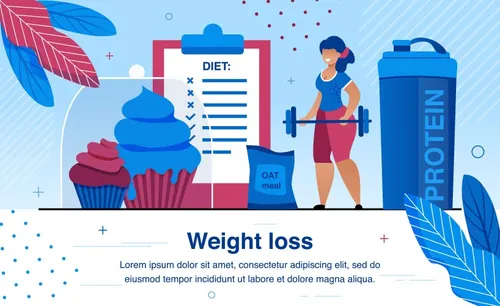
Effective fat-burning diets focus on calorie deficit, nutrient density, and balanced macronutrients. Popular approaches include keto, intermittent fasting, Mediterranean diet, and low-carb plans.
A diet high in lean protein increases satiety and helps preserve muscle mass, while fiber-rich vegetables and whole grains improve digestion and maintain steady energy levels. Healthy fats from avocado, olive oil, and nuts support hormonal balance and overall health.
Tracking daily calories and portion sizes ensures consistent calorie deficit, essential for fat loss. Meal prepping, avoiding sugary beverages, and minimizing processed foods can further enhance results. Combining diet with regular exercise amplifies fat-burning potential.
Additionally, hydration is critical. Drinking adequate water throughout the day supports metabolism and reduces unnecessary snacking. Monitoring progress with weight and body composition trackers ensures your diet plan is effective and sustainable.
How much water should I drink daily for fitness?
Staying hydrated is essential for optimal physical performance, muscle recovery, and overall health. Most experts recommend 2–3 liters of water per day, though this varies depending on activity level, climate, and body weight.
During intense workouts, hydration needs increase to compensate for fluid loss through sweat. Drinking water before, during, and after exercise helps maintain energy, prevents cramps, and supports cardiovascular function.
Hydration also influences metabolism, digestion, and cognitive function. Drinking water with meals can reduce calorie intake by promoting a feeling of fullness. For those engaged in strength training or HIIT, electrolyte replenishment through sports drinks or natural sources like coconut water may be necessary to replace lost minerals.
Tracking water intake using apps or water bottles with measurements ensures consistency, supporting fitness goals and overall wellness.
What are the top fitness apps and trackers?
Fitness apps and trackers provide motivation, progress tracking, and personalized guidance. Popular options include MyFitnessPal, Strava, Fitbit, Garmin Connect, and Nike Training Club.
These apps allow users to log workouts, monitor calorie intake, track sleep patterns, and analyze heart rate data, making it easier to optimize training and nutrition. Many apps offer customized workout plans, from weight loss programs to muscle-building routines, catering to beginners and advanced athletes alike.
Wearable trackers such as Fitbit Charge, Apple Watch, and Garmin Forerunner provide real-time metrics during workouts, ensuring proper intensity and recovery. Social features allow users to join challenges and share achievements, fostering accountability and motivation.
Integrating fitness apps and trackers into your daily routine helps create consistent habits, measure progress accurately, and achieve long-term health and fitness goals.
Top Fitness & Health FAQs 2025
| Question / Topic | Answer Summary | |
|---|---|---|
| What are the best exercises for weight loss? | Combine cardio (running, cycling, swimming, jump rope), HIIT workouts, and strength training (squats, push-ups, lunges). HIIT boosts metabolism even after workouts. Pair with core training and a balanced diet for maximum fat loss. | best exercises for weight loss, fat-burning workouts, HIIT training for weight loss, cardio vs strength training |
| How can I build muscle quickly at home? | Use bodyweight moves (push-ups, pull-ups, squats), add resistance bands/dumbbells, train 3–5 times per week, eat a high-protein diet, and rest for recovery. Supplements like whey protein and creatine may help. | build muscle at home, muscle gain workout, home strength training, best protein for muscle growth |
| What is the best diet plan for fat burning? | Follow calorie deficit diets: keto, intermittent fasting, Mediterranean, or low-carb. Eat lean protein, fiber-rich foods, healthy fats, and avoid processed foods. Stay hydrated and meal prep for consistency. | best fat-burning diet, keto vs intermittent fasting, Mediterranean diet for weight loss, healthy meal plan |
| How much water should I drink daily for fitness? | Most need 2–3 liters daily, more with workouts. Drink before, during, after exercise to prevent cramps and support metabolism. Add electrolytes during HIIT/strength training. | daily water intake, hydration for fitness, best electrolyte drinks, water requirements for athletes |
| What are the top fitness apps and trackers? | Apps like MyFitnessPal, Strava, Nike Training Club + trackers like Fitbit, Apple Watch, Garmin track calories, workouts, heart rate, and sleep. They improve accountability and fitness results. | best fitness apps 2025, top fitness trackers, calorie tracking app, wearable fitness technology |
| How do I improve my mental health through exercise? | Exercise boosts endorphins & serotonin, reducing anxiety & depression. Running, swimming, yoga, Pilates, and Tai Chi enhance mental clarity and mindfulness. 150 mins of weekly activity is recommended. | exercise for mental health, best workouts for stress relief, yoga for mindfulness, fitness and mental wellness |
| What are the benefits of high-intensity interval training (HIIT)? | HIIT burns fat fast, improves heart health, retains muscle, and saves time. Common moves: burpees, jump squats, mountain climbers, sprints. Great for busy schedules. | HIIT workout benefits, best HIIT exercises, HIIT for fat loss, short workouts for busy people |
| How can I stay motivated to exercise consistently? | Set SMART goals, track progress with apps, reward milestones, and mix workouts. Group training or a workout buddy boosts accountability. Treat fitness as a lifestyle, not a chore. | fitness motivation tips, stay consistent with exercise, workout accountability, fitness lifestyle |
How do I improve my mental health through exercise?
Exercise is not just for physical health—it plays a crucial role in mental well-being. Regular physical activity releases endorphins and serotonin, which act as natural mood boosters and reduce stress, anxiety, and depression.
Aerobic exercises such as running, cycling, swimming, and brisk walking improve cardiovascular health and increase blood flow to the brain, supporting cognitive function and memory. Strength training and bodyweight exercises also contribute to mental health by promoting a sense of accomplishment and increasing self-confidence.
In addition, mind-body exercises like yoga, Pilates, and Tai Chi combine physical movement with breathing techniques, reducing stress levels and improving mindfulness. Practicing these exercises consistently can lead to better sleep, enhanced focus, and overall emotional balance.
To maximize benefits, aim for 150 minutes of moderate-intensity aerobic activity per week, complemented with 2–3 strength training sessions. Tracking progress using mental health and fitness apps can help maintain motivation. Pairing exercise with healthy nutrition, adequate sleep, and mindfulness practices further strengthens mental resilience.
What are the benefits of high-intensity interval training (HIIT)?
High-Intensity Interval Training (HIIT) has gained popularity due to its efficiency and effectiveness in burning calories and improving overall fitness. HIIT involves short bursts of intense exercise followed by brief recovery periods, which elevates heart rate and boosts metabolism.
Benefits of HIIT include:
Rapid fat loss: HIIT increases post-exercise calorie burn, helping reduce body fat faster than steady-state cardio.
Improved cardiovascular health: Regular HIIT sessions strengthen the heart and enhance endurance.
Muscle retention: Unlike traditional cardio, HIIT helps maintain lean muscle mass while burning fat.
Time efficiency: Workouts often last 20–30 minutes, ideal for busy schedules.
Common HIIT exercises include burpees, jump squats, mountain climbers, sprints, and kettlebell swings. Beginners should start with lower intensity intervals and gradually increase intensity to prevent injury. Tracking progress through fitness apps ensures proper adaptation and improvement over time.
How can I stay motivated to exercise consistently?
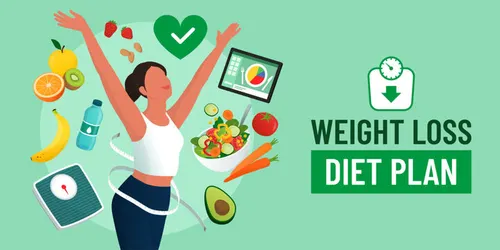
Consistency is the key to achieving health and fitness goals, yet maintaining motivation can be challenging. Setting realistic goals, tracking progress, and creating enjoyable routines are crucial strategies.
Effective motivation strategies:
Set SMART goals: Specific, Measurable, Achievable, Relevant, and Time-bound goals keep you focused.
Use fitness apps and trackers: Apps like Strava, MyFitnessPal, and Fitbit provide progress feedback and social challenges.
Mix workouts: Incorporating strength training, HIIT, yoga, and outdoor activities prevents boredom.
Reward progress: Celebrating milestones or treating yourself encourages positive reinforcement.
Exercise with a partner or group: Accountability and social support increase adherence to workouts.
Mindset also plays a key role. Viewing exercise as a lifestyle choice rather than a chore fosters long-term commitment. Maintaining a balanced diet, proper rest, and mental wellness practices further enhances motivation and fitness consistency.